

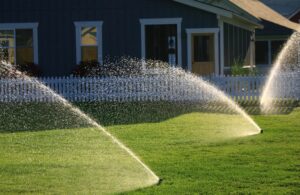
Recent trends make it clear that heat waves are growing more frequent and more intense in many parts of the country. Across the country, this extreme heat is creating distinct challenges for rental property owners and investors. The reason is that prolonged extreme heat can take a serious toll on building systems, raise maintenance demands, and diminish resident comfort. Given these growing concerns, it’s increasingly important to factor extreme heat mitigation into your summer prep as a landlord. In fact, planning ahead is the most effective way to safeguard both your property and your tenants during extreme heat.
Understanding the Risks of Prolonged High Temperatures
Residential properties feel the effects of extreme heat differently than they do typical summer weather. When temperatures soar well above normal, this puts added strain on a property’s major systems, including the HVAC system. To stay comfortable indoors during extreme heat, air conditioners in some climates must run continuously, putting extra wear and tear on a system already under strain. This can also push energy costs up, particularly for units that aren’t running at peak efficiency.
Extreme heat can also weaken or damage certain building materials, including wood, plastics, adhesives, exterior finishes, roofing materials, paint, caulking, and sealants. Heat damage can appear in the form of fading, cracking, peeling, weakening, and warping, driving up related maintenance and repair requirements.
Property landscaping is another area that can be devastated by extreme heat. Lawns, plants, or trees that aren’t well suited to high temperatures can suffer burning, wilting, or even die from extreme heat. This can still occur even when appropriate watering practices are followed. In addition, extreme heat and drought can cause erosion and shifts in soil, which create new problems once it finally rains again.
Early preparation, ahead of peak temperatures, is the most effective way to counter the dangers of extreme heat.
Cooling Equipment Works Harder During Heat Waves
Air conditioning systems face added strain from prolonged heat, on top of the hard work they’re already doing to keep a property cool. This strain may manifest in a few different ways, including:
- A drop in efficiency
- Accelerated wear and tear
- Unexpected system breakdowns
- A rise in maintenance requests
- Bigger utility costs
It’s important to schedule an HVAC inspection and service before extreme heat arrives in order to avoid these problems. Older systems or those showing wear are more prone to breaking down when extreme heat hits. Avoiding emergency repairs and higher costs often comes down to budgeting for replacement earlier in the year.
Resident Comfort Becomes a Top Priority
The other side of keeping your HVAC system running smoothly is ensuring your occupants are safe and comfortable in the heat. Tenants who stay comfortable are more likely to renew their lease, which means proactive cooling system maintenance directly affects retention, online reviews, and lease renewals, among other things. Rental property owners rarely welcome the extra cost of HVAC maintenance and repairs, yet neglecting a struggling system and an unhappy tenant can carry far steeper long-term consequences. Because extreme heat can be deadly, it should always be taken seriously. That’s why property owners need to address cooling concerns promptly during extreme heat events.
Smart Landlord Summer Prep Strategies
Rental property owners should make sure a few important maintenance and repair tasks are done before temperatures start to climb. The best way to sidestep costlier problems during a heat wave is early prevention.
Consider adding these effective prep strategies to your summer maintenance checklist:
- Have all major systems, including the HVAC system, inspected and serviced.
- Change the air filters.
- Review and refresh insulation and weatherstripping.
- Examine and repair any irrigation system issues.
- Check shade and landscaping conditions, and update or add as required.
- Establish emergency maintenance procedures and confirm residents know how to respond to a heat-related emergency, while keeping vetted vendors ready to go.
Early prevention costs far less than emergency repairs during peak season when it comes to summer emergencies.
Energy-Efficient Upgrades That Help During Heat Waves
Along with your property preparations, consider adding a few energy-efficient upgrades to help protect your property and residents all summer long. These improvements benefit both sides—easing strain on major systems, improving energy efficiency, and naturally reducing the impact of extreme heat for owners and tenants alike.
Some of the most useful upgrades worth considering include:
- Thermostats that are programmable
- More effective insulation
- Energy-saving windows
- Window treatments that block UV rays
- Shade-giving trees
- Umbrellas, shade sails, or pergolas
- Siding and roofing materials that are light or reflective
Combining these and other property upgrades can enhance comfort and safety for residents while reducing energy use, even during extreme heat.
Staying Ahead of Seasonal Challenges
Nearly every aspect of rental property operations, from HVAC performance to resident satisfaction, can be affected by heat waves. Still, the right kind of preparation and preventative maintenance can better protect your investment from costly surprises when temperatures peak.
Is your rental property equipped to handle extreme summer temperatures? Contact Real Property Management Main in Wayne County today to learn how our proactive maintenance programs, local expertise, and property management services can help protect your investment and keep residents comfortable all season long.
This content is provided for general informational and educational purposes only and does not constitute financial, legal, tax, or investment advice. Readers should consult with licensed professionals regarding their specific circumstances.
We are pledged to the letter and spirit of U.S. policy for the achievement of equal housing opportunity throughout the Nation. See Equal Housing Opportunity Statement for more information.
